International partnerships
Connecting Canadian Language Education Expertise with Korean Stakeholders
Highlights from Languages Canada’s 2026 Trade Mission
By continuing to use our site, you consent to the processing of cookies, user data (location information, type and version of the OS, the type and version of the browser, the type of device and the resolution of its screen, the source of where the user came from, from which site or for what advertisement, language OS and Browser, which pages are opened and to which buttons the user presses, ip-address) for the purpose of site functioning, retargeting and statistical surveys and reviews.
Highlights from Languages Canada’s 2026 Trade Mission
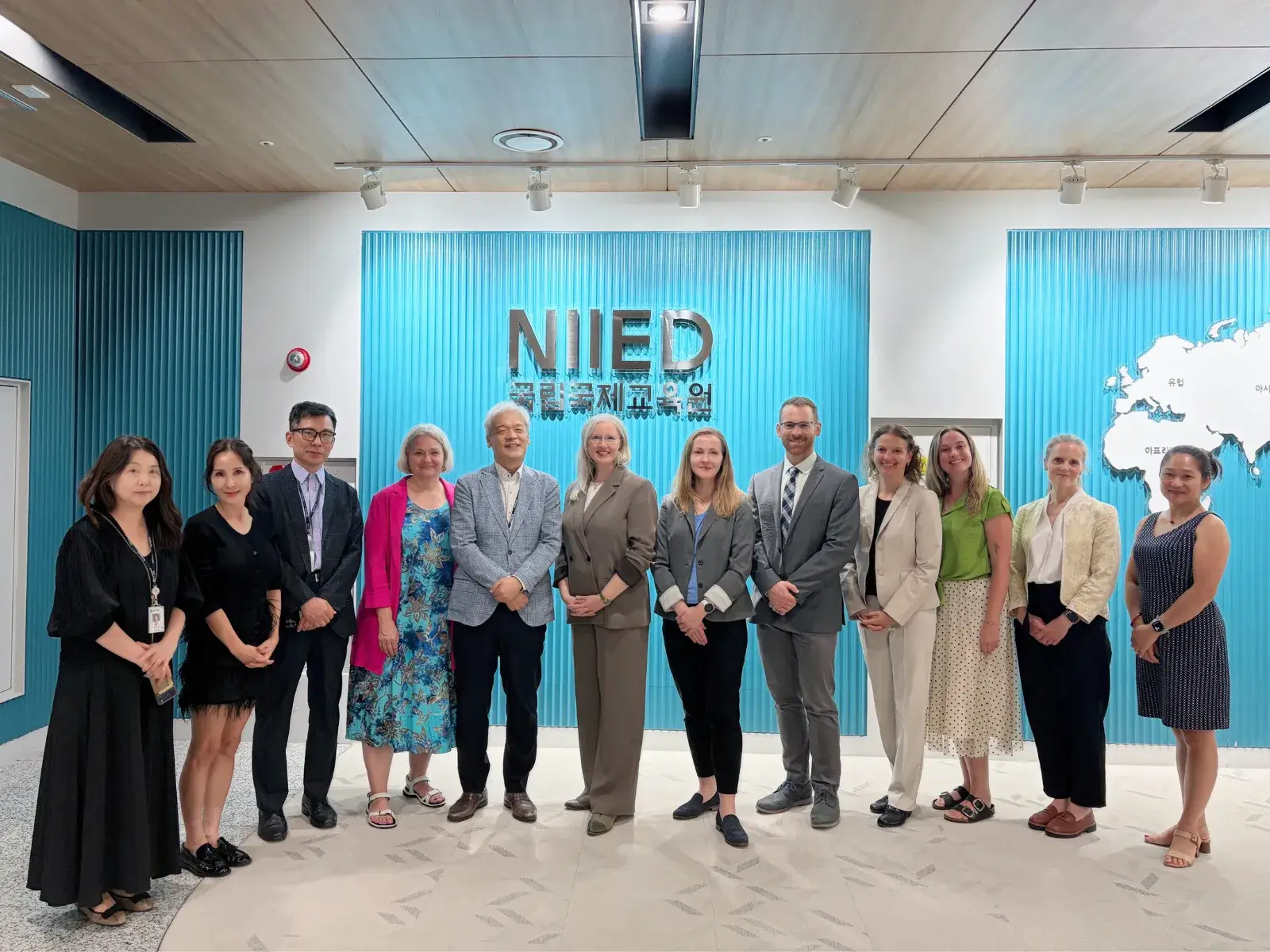
From September 28 to October 2, 2026, Languages Canada led a trade mission to South Korea to strengthen commercial ties between Canadian language education providers and Korean institutions seeking expertise in English and French language education, bilingualism and international education.
The mission brought together representatives from six Canadian universities for a series of meetings with Korean government representatives, schools, education organizations and potential institutional partners. With a focus on developing new relationships beyond traditional education agent networks, the mission aimed to identify demand for Canadian education services, showcase the expertise of Canadian providers and create new opportunities for international business development.
By connecting Canadian institutions directly with Korean stakeholders, Languages Canada sought to strengthen the visibility of Canada's language education sector, diversify export markets and lay the groundwork for partnerships involving customized language training, institutional capacity building, cohort programs and other tailored education services.
The delegation included representatives from the University of Victoria, University of Ottawa, University of Calgary, University of Alberta, Trent University and Carleton University, alongside Languages Canada.
Bringing together expertise in language education, international programming and student development, the delegation engaged with Korean stakeholders to explore how Canadian institutions could respond to local needs and develop new areas of cooperation. The meetings provided an opportunity to present institutional strengths, better understand potential partners' priorities and identify opportunities to adapt Canadian education services to the Korean market.
The mission formed part of Languages Canada's broader efforts to support its members' international growth by facilitating direct connections with decision-makers and organizations interested in Canadian expertise.
By prioritizing schools, universities and other institutional stakeholders rather than focusing primarily on education agents, the delegation sought to open new channels for business development and longer-term commercial partnerships.
Engagement with government and public-sector partners was an important component of the mission. The delegation met with the Embassy of Canada in Seoul to discuss opportunities to strengthen Canada–Korea education ties, increase awareness of Canadian language education services and support collaboration between institutions in both countries.
The visit provided an opportunity to exchange perspectives on the Korean education landscape, identify areas of potential demand and reinforce the role of Canadian providers as partners in language learning, international education and bilingualism initiatives.
The delegation also visited the National Institute for International Education (NIIED), including a session with the English Program in Korea (EPIK), which places English teachers in Korean public schools.
Discussions offered insight into Korea's English-language education environment, program requirements and the needs of institutions working to strengthen English-language instruction.
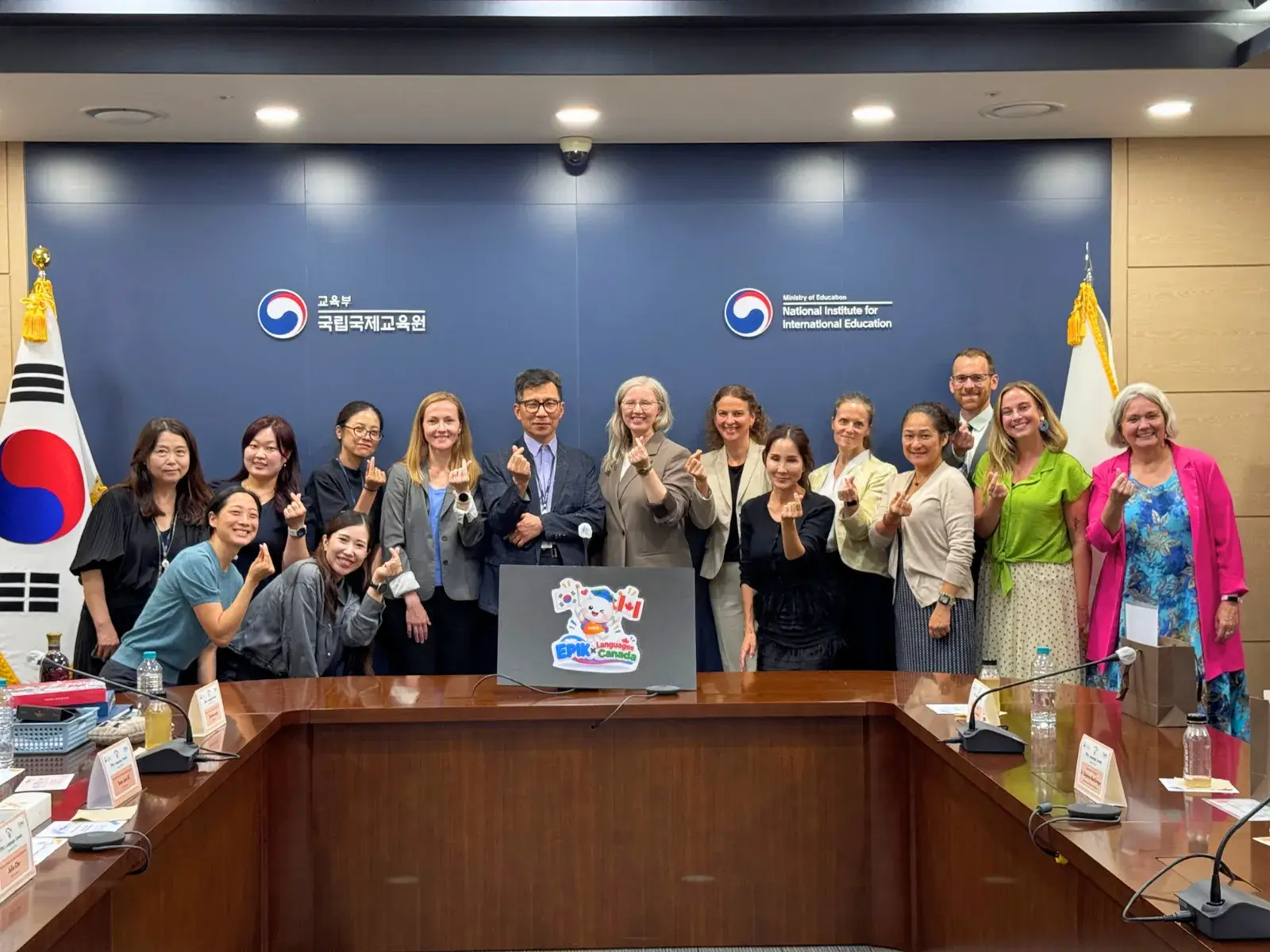
For Canadian delegates, these exchanges helped clarify the local context in which Canadian expertise is sought and highlighted the value of maintaining direct relationships with organizations involved in international education programming.
Visits to Korean schools provided delegates with a closer understanding of local education environments, institutional priorities and potential areas for collaboration.
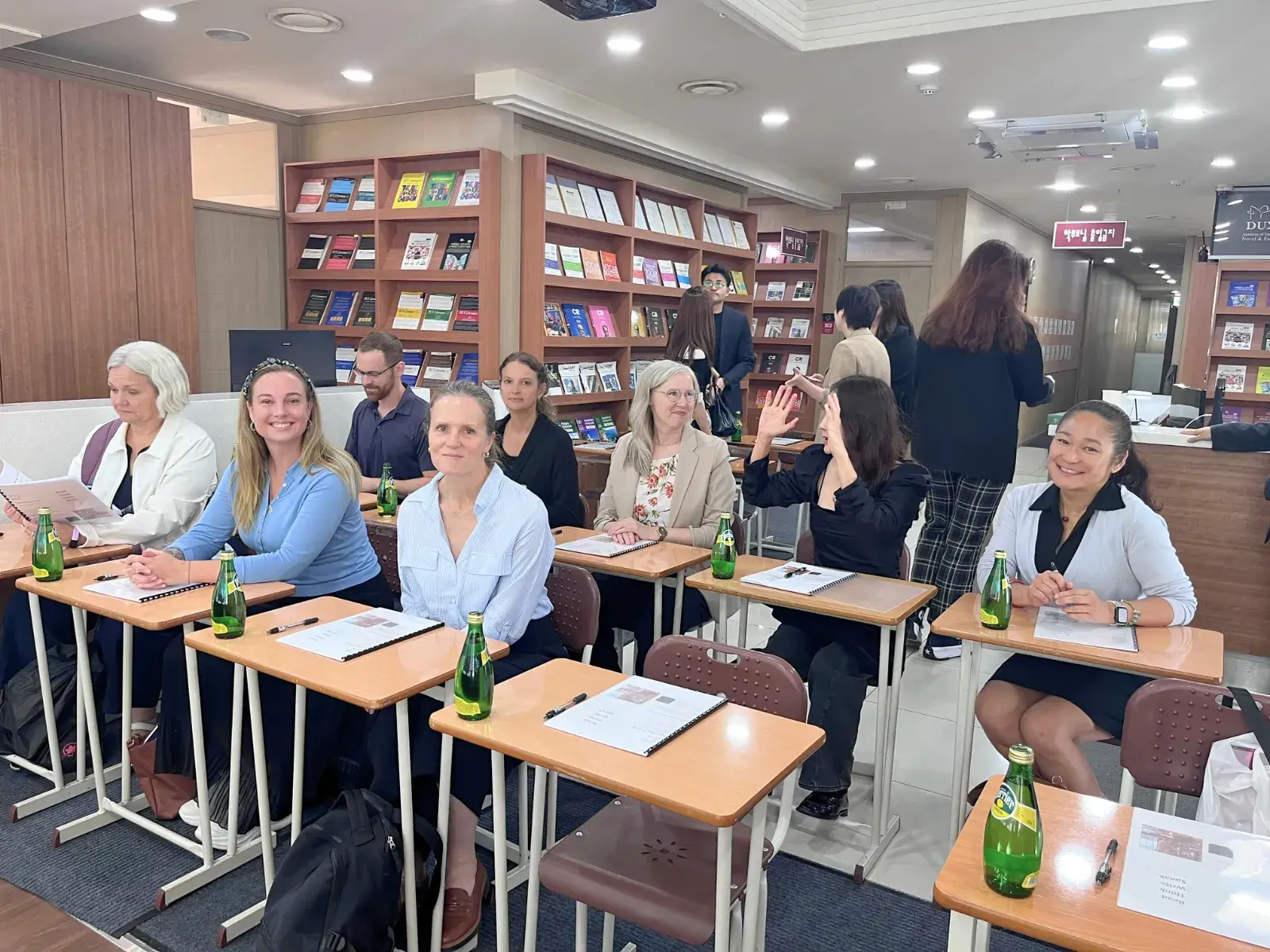
Through Languages Canada's partner Korvia, the delegation visited Digital Chosun CLI and Dux Academy. These meetings allowed Canadian representatives to learn more about private-sector language education in Korea, exchange perspectives on teaching and program delivery, and explore potential connections between Korean institutions and Canadian education providers.
The delegation also visited Calvin Manitoba International School, where discussions explored potential internship and practicum opportunities for Canadian students, as well as opportunities for certified Canadian educators.
Beyond these specific areas of cooperation, the visit provided a setting to consider how Canadian institutions could contribute to Korean education initiatives through professional expertise, experiential learning, customized programs and other forms of institutional collaboration.
These engagements were particularly valuable in advancing the mission's objective of connecting Canadian providers directly with potential clients and partners.
Understanding institutional needs firsthand helps Canadian exporters assess where their services may be relevant, determine the scope for tailored offerings and establish relationships that can support future business development.
Following the mission, Languages Canada representatives attended Korvia's 20th-anniversary celebration, recognizing an important milestone for the organization and reinforcing a relationship that supports connections between Canadian education providers and international partners.
The mission also explored opportunities beyond traditional classroom-based language training and teaching placements.
The delegation met with World Unite! and a Working Holiday participant who shared their experience working in hospitality in Korea. The discussion offered practical insight into international work experiences and the support required to help participants navigate a new environment.
The meeting also opened conversations about potential opportunities in Japan, extending the scope for future collaboration beyond Korea.
While these discussions complemented Languages Canada's work supporting international mobility, they also reinforced the broader value of building relationships with organizations that connect education, employment and international experience. Such partnerships can help Canadian providers explore new program formats and respond to the evolving interests of international partners and participants.
A central objective of the trade mission was to better understand the Korean market and identify opportunities for Canadian language education services. Direct engagement with government representatives, schools and education organizations allowed delegates to gain insight into local priorities, assess potential areas of demand and establish relationships that can inform future commercial activities.
The mission also helped raise the profile of Canada's language education sector among Korean stakeholders. By presenting the expertise and services available through Canadian institutions, Languages Canada aimed to strengthen awareness of Canadian providers as potential partners for language training, customized cohort programs, educator development and institutional capacity building.
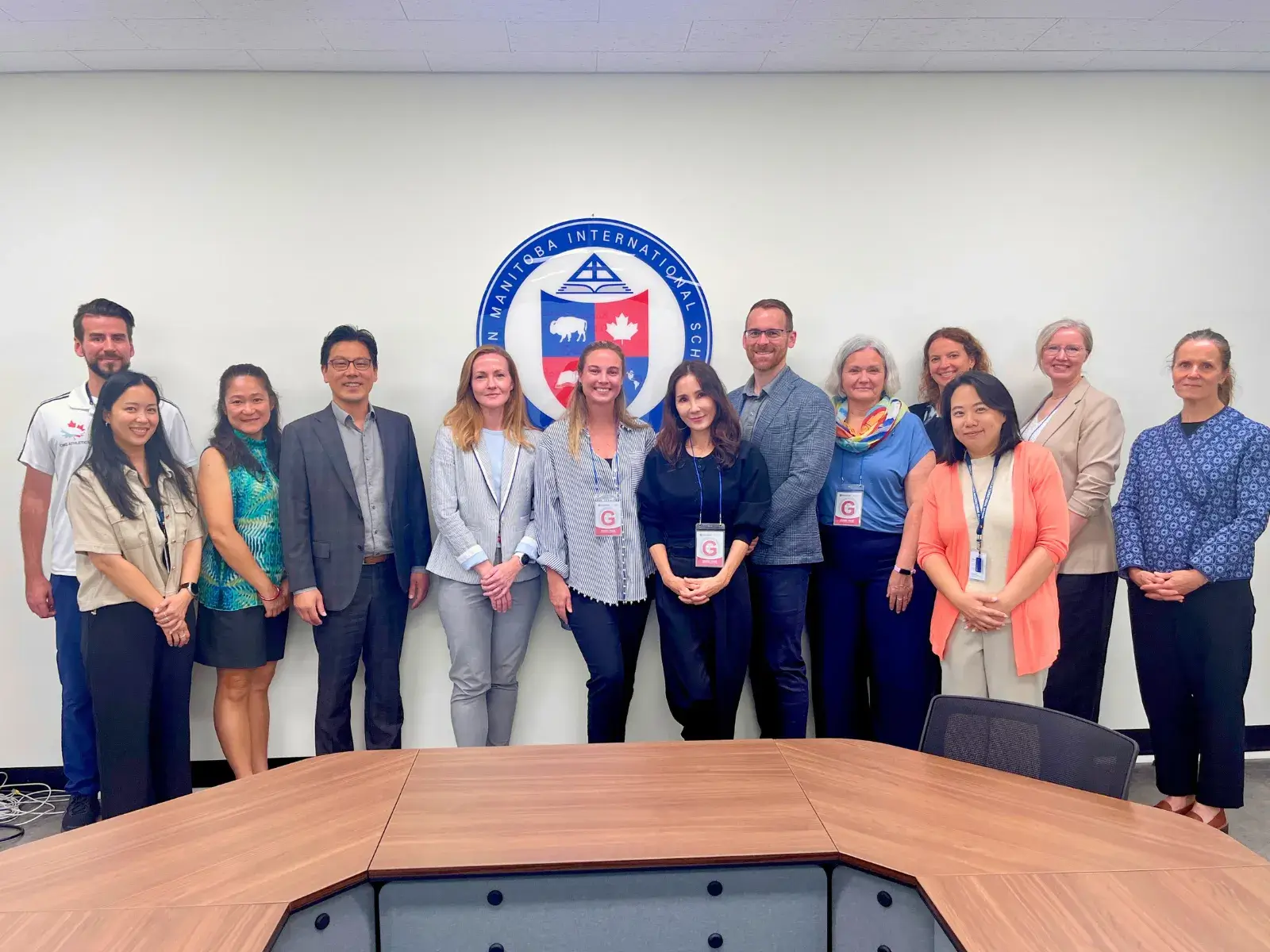
The relationships established during the visit provide a foundation for continued engagement, including follow-up discussions, the development of tailored proposals and the exploration of partnerships aligned with Korean institutions' needs.
For participating institutions, these connections can support a more targeted approach to international business development. For Languages Canada, they contribute to a broader strategy of diversifying Canada's international language education markets, strengthening export relationships and creating commercial opportunities for its members.
Languages Canada extends its sincere appreciation to the Embassy of Canada in Seoul, the National Institute for International Education and the EPIK team, Korvia, Digital Chosun CLI, Dux Academy, Calvin Manitoba International School and World Unite! for their engagement and support throughout the mission.
The association also thanks the six participating Canadian universities for their commitment to strengthening Canada's international education relationships and showcasing Canadian expertise in the Korean market.
Building on the connections established during the mission, Languages Canada will continue working with its members and Korean partners to identify areas of mutual interest, develop new institutional relationships and advance opportunities for Canadian language education services abroad.
Through targeted market engagement and direct connections with potential partners, Languages Canada aims to help its members translate international relationships into sustainable partnerships, new business opportunities and continued growth in Canada's language education exports.
This Trade Mission was made possible thanks to the CanExport Association program by Global Affairs Canada.

A strong, united voice for Canada's language education sector.


