
Our members in action
When their schools closed, others opened their doors
Continuing studies after the EC English and ILAC closures
By continuing to use our site, you consent to the processing of cookies, user data (location information, type and version of the OS, the type and version of the browser, the type of device and the resolution of its screen, the source of where the user came from, from which site or for what advertisement, language OS and Browser, which pages are opened and to which buttons the user presses, ip-address) for the purpose of site functioning, retargeting and statistical surveys and reviews.
Continuing studies after the EC English and ILAC closures
When Vanessa learned that ILAC Vancouver was closing, she wondered whether she would have to return home. She had come to Canada to improve her English and communicate more comfortably with others. Suddenly, she was unsure whether she would be able to achieve that goal at all.
Although school closures like these are rare, their impact on students can be profound. They interrupt plans that students had invested time, money and hope in making. Some had paid for courses that had yet to begin; others, like Vanessa, were already studying in Canada. For these students, the worries were urgent: Where do I go on Monday? Do I have to move? Who can help me work out what to do?
When the closures were announced, Languages Canada immediately began coordinating alternate placements with members. They in turn prepared to welcome students who had never expected to walk through their doors.
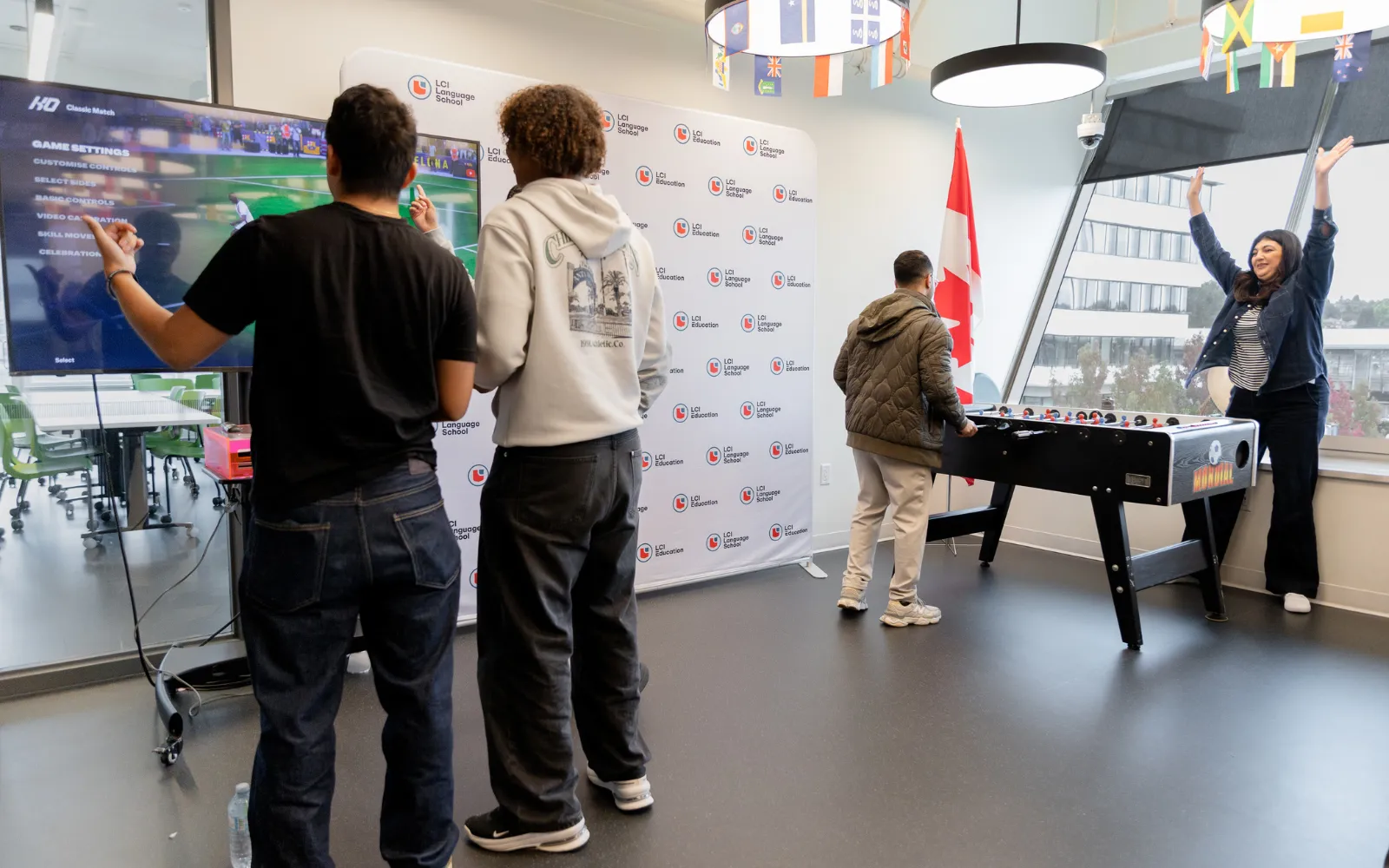
A week after her school closed, Vanessa received an email from LC letting her know that LCI Language School had a place for her.
The school’s admissions, academic and operations colleagues offered a Sunday orientation for new students. They could meet the team, ask questions and learn about continuing their studies. Some of the students arrived in tears. Staff listened to their concerns and explained the options available.
For Vanessa, an early conversation helped her feel comfortable at her new school.

“Everything is going great and I am in a good school.”
Receiving affected students means so much more than saying yes to a placement. At Bayswater’s Toronto and Vancouver schools, staff worked weekends, rented more classroom space, arranged extra classes and hired more teachers. They also took the time to understand each student’s circumstances. Bayswater Regional Director Teresa Vaccaro recalls one who had endured the disruption twice, moving from EC to ILAC before arriving at their third school. Overwhelmed by another transition, the student wanted to go home, but the team was able to make them feel welcome.
“Sometimes the most meaningful support starts with helping someone feel that they belong.”
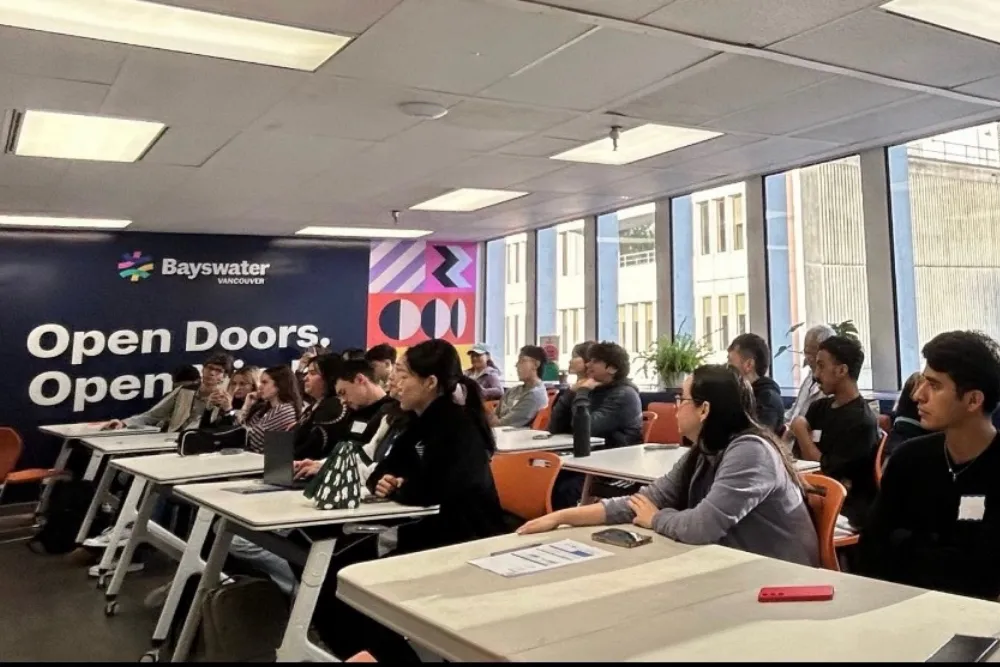
These efforts reflect a commitment shared by Languages Canada members: to work together to help students continue their education in the rare event that another member closes unexpectedly. Languages Canada coordinates placements, and receiving members provide the teaching and support students need to resume their studies.
That transition does not erase the disruption. Students still have to adjust to different surroundings, routines and people. But a patient answer or a reassuring conversation can make those first days easier.

“We started by listening, answering every question, and reassuring them that they had a place with us and that their studies would continue. We wanted each student to know they were not a transfer file, but a person we were glad to welcome.”
Since the closures were announced, Languages Canada has been sharing updates about the number of students placed with members. Those numbers show the scale of the effort. Stories like these reveal the work behind them: people stepping up and reorganizing at a moment’s notice, while still making time to listen, understand and help students feel welcome. We are proud of the commitment our members have shown, both in making room for students and in making them feel they belong.
Languages Canada thanks all members contributing to the closure response, including those whose experiences are not featured in this series.

































For assistance and current information, visit the EC English and ILAC closures: updates and FAQs page.

A strong, united voice for Canada's language education sector.


