
Our members in action
Helping students find their feet again
Continuing studies after the EC English and ILAC closures
By continuing to use our site, you consent to the processing of cookies, user data (location information, type and version of the OS, the type and version of the browser, the type of device and the resolution of its screen, the source of where the user came from, from which site or for what advertisement, language OS and Browser, which pages are opened and to which buttons the user presses, ip-address) for the purpose of site functioning, retargeting and statistical surveys and reviews.
Continuing studies after the EC English and ILAC closures
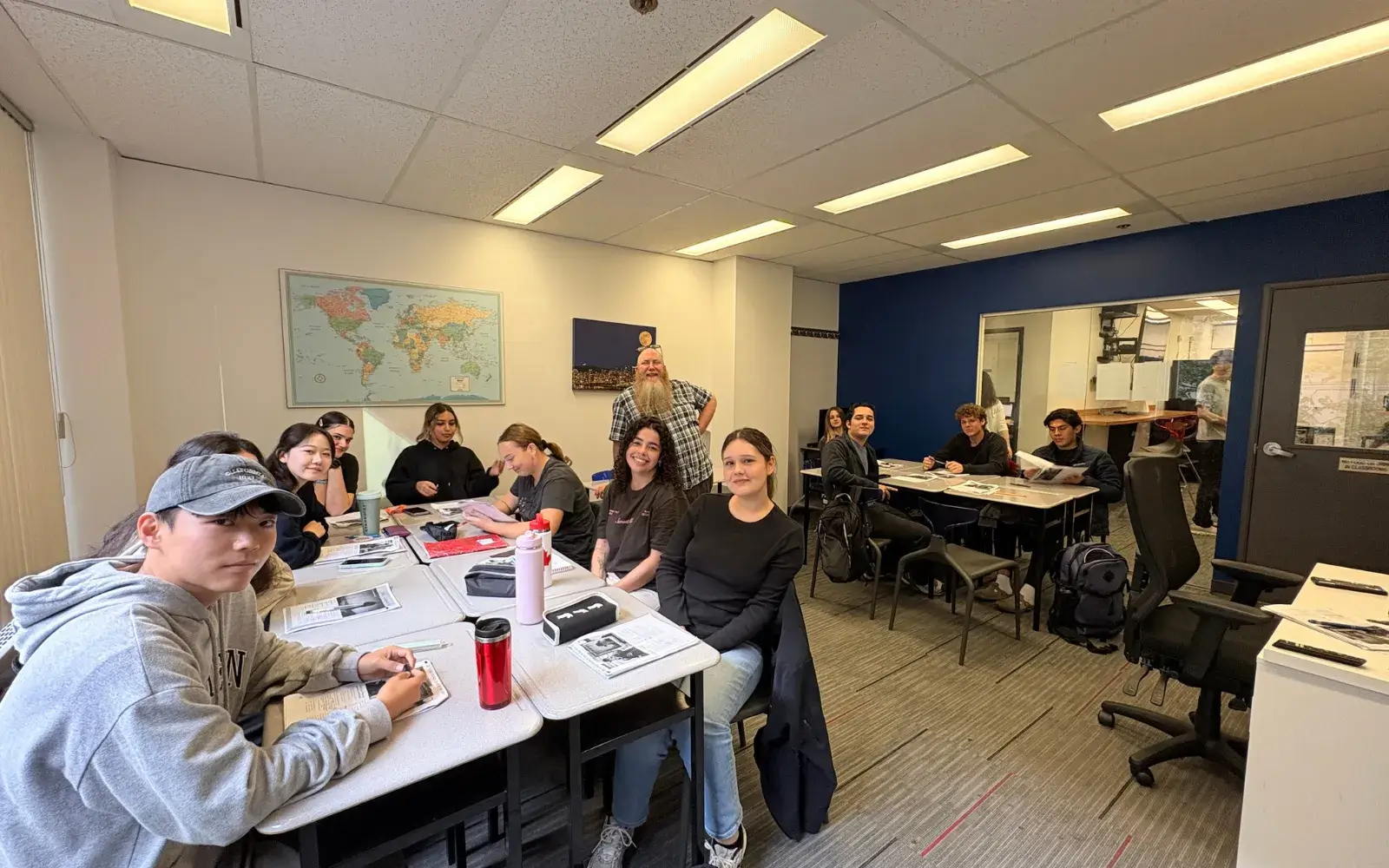
For one student arriving at CEL Vancouver after the closures, a pressing worry was whether they could stay with their host family.
Languages Canada’s support framework focuses on helping students continue their prepaid language studies; it does not cover accommodation. In this case, CEL took an additional step to help. Staff contacted the family and offered to bring them into CEL’s own host network so the student could stay.
“Happily resolved in under an hour,” recalls CEL Vancouver Centre Director Laura Haseley.
With classes, teachers and routines already changing, keeping a familiar home meant one less upheaval.

The closures of EC English schools and ILAC’s language programs left many students with questions that reached well beyond their next class. Alongside arranging replacement education, receiving schools have been helping students work through the practical concerns that can make it difficult to concentrate on learning.
At CEL, that work also meant assessing language levels, identifying where new classes were needed and sourcing teachers, laptops and learning resources. Some students required more individual planning, including a learner at a very advanced level and another preparing for IELTS.
Asked what she wanted people to understand about the school’s contribution, Haseley puts it simply:

“That we pivoted, and pivoted fast, with the needs of students at the heart of it.”
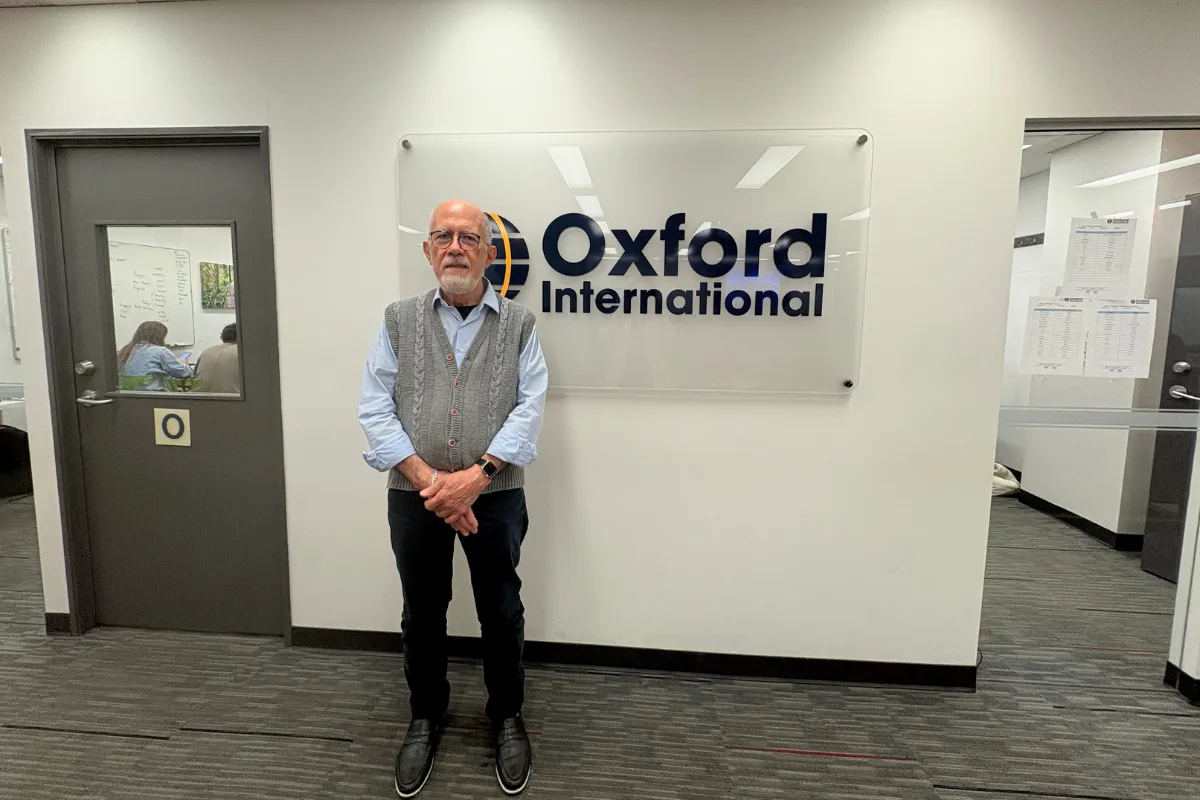
At Oxford International in Vancouver and Toronto, many students arrived needing assistance at the same time. Staff divided them into smaller groups so they could give each person attention, answer questions and explain their new program and schedule.
“We learned that, even when there is significant pressure to move quickly, taking the time to listen to students and address their individual concerns makes a very significant difference to how successfully they settle into their new school,” says Sharon Curl, President – North America at Oxford International.
The team worked with students and their agents to understand what they had been studying and what they hoped to achieve. Where an exact course was unavailable, they discussed the most appropriate alternatives. Staff also helped with questions about accommodation, transportation and settling into the school community.
That work placed additional demands on academic, admissions and student services teams. Colleagues adjusted schedules and took on new responsibilities as the number of students grew.
Sharon describes what was at stake for the students:

“They had made significant personal, financial and emotional commitments to their education and to the experience of living and studying in Canada.”
For someone arriving at a new school after an unexpected closure, there is a lot to take in. Understanding the timetable, knowing where to go with a question and becoming familiar with a different course can take time. Schools have had to manage those individual needs alongside the practical demands of receiving many students at once.
A familiar place to live, a clear explanation of a new program, someone available to answer questions—each can make the transition less daunting. These details may seem small beside the task of arranging hundreds of placements, but they can make a considerable difference to the student trying to get back to learning.
Languages Canada thanks all members contributing to the closure response, including those whose experiences are not featured in this series.









































For assistance and current information, visit the EC English and ILAC closures: updates and FAQs page.

A strong, united voice for Canada's language education sector.


